
Newport to Fall River By Rail
Newport Terminus

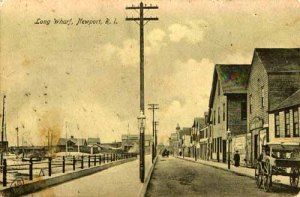
Long Wharf Commercial Strip
The wharf originally ran west from the waterfront enclosing a basin. The basin was gradually filled in and became the foundation of the rail yard. The rail yard served passenger traffic to Newport and transiting through Newport on steamships on their way to other destinations. The freight traffic included servicing shipyards, meat packers, fishing, ice, and oil and coal.
Here is the commercial strip:

Looking south along the waterfront from the rail on the left side of the postcard
Looking south
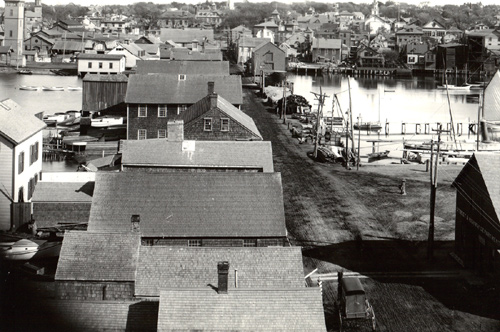
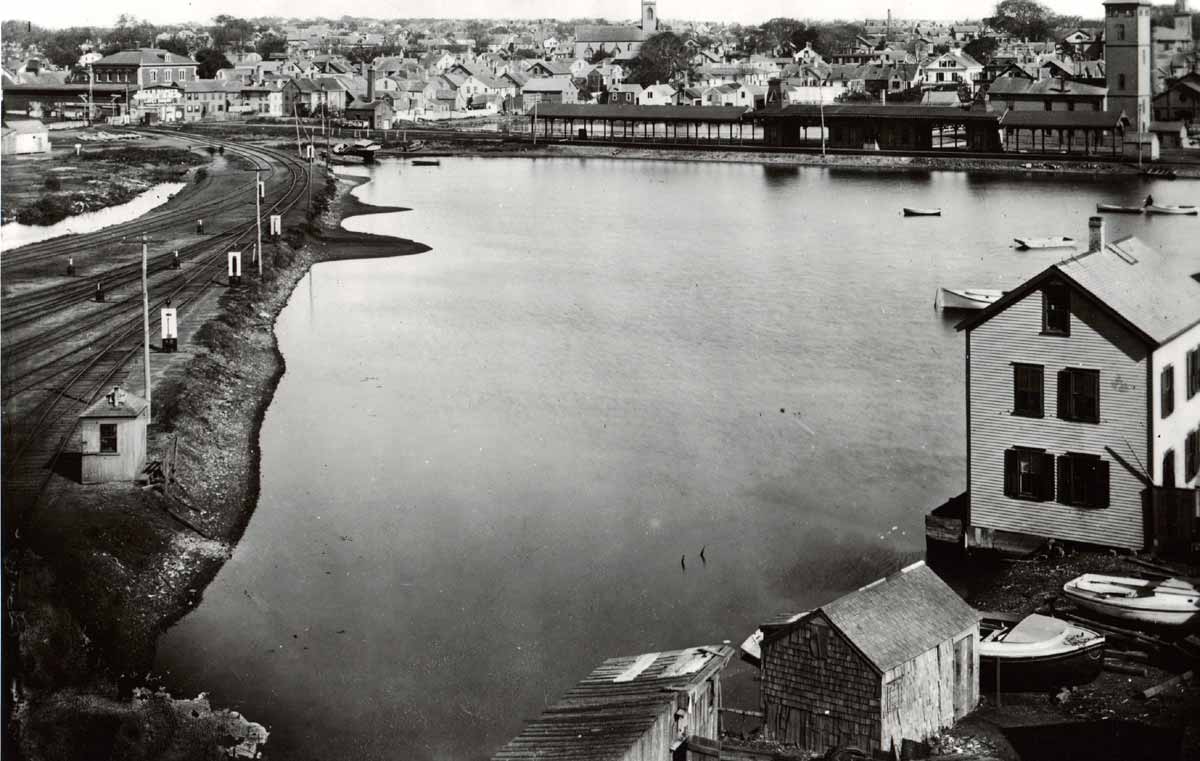
East across Long Wharf
Train yard at Long Wharf
Docks and Piers at Long Wharf
Rail Line Maps for Long Wharf
Industries in Newport
 JT O’Connell
Fishing Industry
Newport Oil
Swift Meat Packing
Middletown
Farm industry
Middletown structures

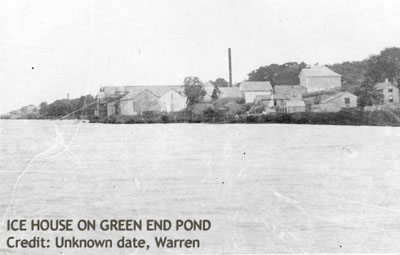
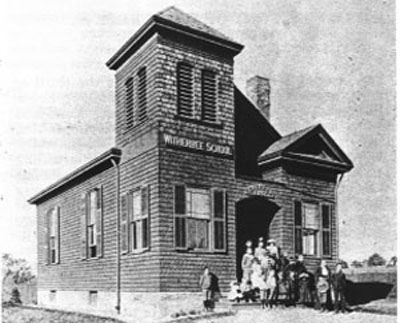
Portsmouth
The Coal Mine
Excerpt from Historic and Architectural Resources of Portsmouth, Rhode Island: A Preliminary ReportPublished by the Rhode Island Historical Preservation Commission, 1979, pp. 8-9:COAL MINING Although Portsmouth’smills were small-scale ventures, the town was involved in an industry in away unique in Rhode Island in the nineteenth and twentieth centuries–coalmining. In 1809, afterthe discovery of valuable coal deposits near Bristol Ferry, the Rhode Island Coal Company – andthe Aquidneck Coal Company were incorporated and started mining coal. The coal wasrelatively easy to mine, but, unfortunately, was of poor quality, with a high ash content, and,largely for this reason, the history of the coal mining venture is characterized by repeatedclosings and openings under several different chartered companies. The Taunton Copper Company in 1866 built a smelting works near the coal mines, treating copper from the UnitedStates and abroad. It was a thriving enterprise, complete with eight blast furnaces, twenty-twokilns, large wooden engine houses, tenements, a store, a schoolhouse, a powder magazine,workshops and barns, an office and a depot on the Old Colony and Newport Railroad. In 1883,the last ore was received and the mines abandoned. The last mining venture started in 1909. Newshafts were sunk and a modern power plant built, but the mines were closed in 1913 for the lasttime. The area, at the end of Willow Lane, is now the site of the Kaiser Aluminum and Copper Company’s huge copper and aluminum wire fabricating plant. In 1976, during a severe energycrisis, exploratory coal drilling took place in northwestern Portsmouth; the history of coal mining in Portsmouth may not yet have come to an end.
This, of course could be considered either wildly optimistic or delusions brought on by the OPEC oil embargo of the 1970’s. The area is now home to the Carnagie Abbey Golf Course, an upscale resort.
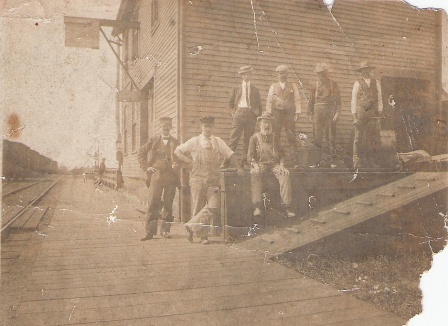
The coal mine area had several depots. Here is the first one. There was a single main line with a siding servicing the depot. This picture is facing north.

Another view of the depot at an earlier time. The ramp the workers are standing on in the above picture has not yet been built on the right side of the building.
To Fall River
Crossing the Water
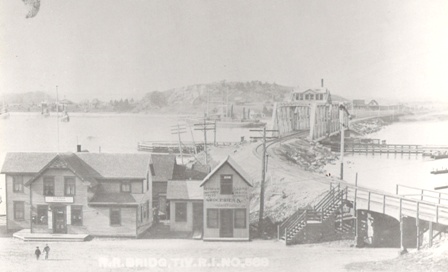
As the Old Colony left Portsmouth it crossed the Sakonnet River by bridge. A note on the Sakonnet River: it is a river in name only. It does not flow, it is salt water, it has no head source. It is in reality simply a passage in Narragansett Bay between Aquidneck Island and the mainland. There was a station just before the bridge that was the last stop in Portmouth.
This is the “old” railroad bridge, mostly stone across the river. South of this was the “Old Stone Bridge” that carried vehicles across.
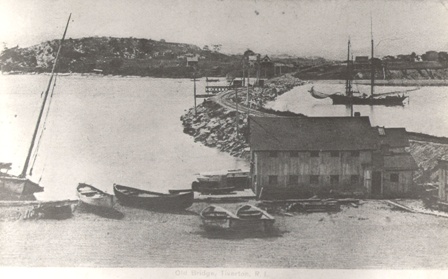
Tiverton Fishing Village
 Thw
Thw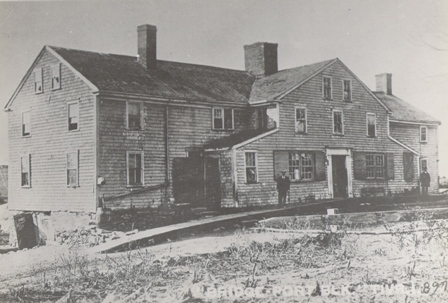
Fall River Terminus
The Fall River Station

Mills serviced by the railroad


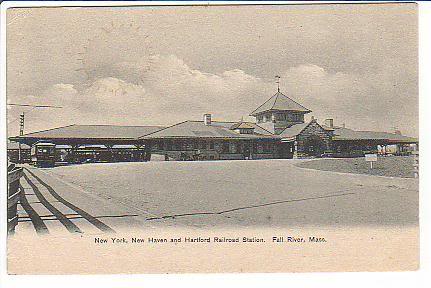
Blog Post on the Fall River terminal
Winter Railroading
Being an island in a bay on the southern coast of New England means that the weather is somewhat more temperate. But it does snow occasionally, as this photo shows:
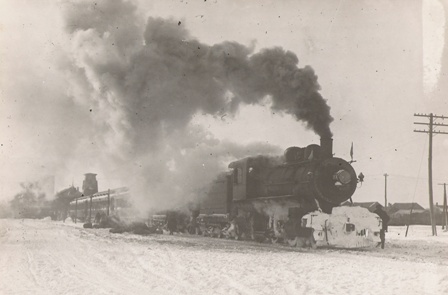


 When Your Train of Thought Leaves the Station...